Pricing and growth, 4 minute read, published
Running a restaurant in the Isle of Man: food costs and VAT
 Michael Quayle ACCALoaghtan Accounts
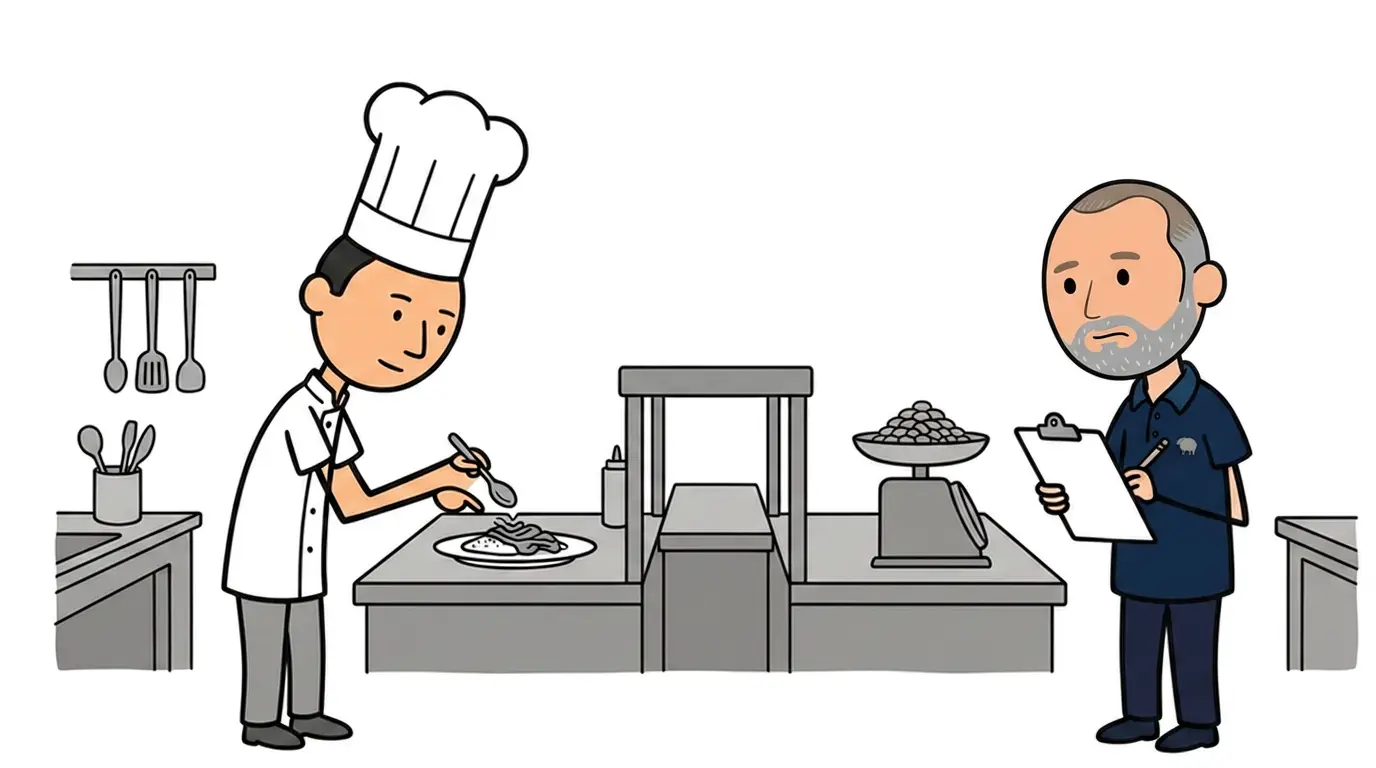
Restaurants and cafés are some of the hardest working businesses on the Island. Long hours, tight margins, seasonal trade and rising costs mean the difference between a good year and a bad one is often a few percentage points. Here are the numbers worth watching.
Your food cost percentage
Your food cost percentage is what your ingredients cost as a share of your food sales, before VAT. It is the most important number in the kitchen.
Example. A main course sells for £18 including VAT, which is £15 without VAT. If the ingredients cost £4.50, the food cost is 30% of the price.
Every dish on your menu should have a costed recipe, with the cost of each ingredient and portion. Then compare what your menu should give you with what you actually achieve each month, using your purchases and a stock count. If the actual figure is well above the target, look for:
- Portions creeping up, especially on busy nights.
- Waste, from overordering, spoilage or dishes sent back.
- Supplier price rises not reflected in your menu prices.
- Staff meals and comps that are not recorded.
- Stock going missing.
Drinks work the same way, usually with a much higher margin than food. Our article on running a pub covers drinks margins and simple stock checks that work just as well in a restaurant.
Price your menu properly
Many restaurants price by looking at what the place down the road charges. That is useful to know, but your costs are not theirs.
Start from the cost of each dish, decide the margin you need to cover your staff, rent, energy and profit, and then check the result against the market. Review prices at least once a year, and whenever a major supplier puts prices up. Our article on pricing explains the difference between margin and markup, which catches a lot of people out.
VAT on food
Once your sales go over the VAT registration threshold of £90,000, VAT becomes one of your biggest costs, so it pays to get it right. Isle of Man VAT follows the UK rules on food closely:
- Eating in is standard rated at 20%, whether it is hot or cold food.
- Hot takeaway food is standard rated at 20%.
- Cold takeaway food, such as sandwiches and salads, is usually zero rated, although some items such as confectionery, crisps and soft drinks are standard rated.
So if you sell takeaway as well as eat in, your till needs to record which is which, and staff need to ask. Getting it wrong can mean paying too much VAT, or too little and facing a bill later.
The temporary 5% rate on children’s meals ran from 25/06/2026 to 01/09/2026, so make sure your till is back to 20% for those.
Tips and service charges
How tips are treated depends on who handles them. Card tips and any tips you collect and share out must usually go through payroll with income tax deducted. A service charge you add to the bill is part of the price, so VAT is due on it, while a genuinely voluntary tip is usually outside VAT. Our pub guide explains the rules in more detail.
Staff costs
Staff are usually the biggest cost after food. From 01/04/2026 the Island’s adult minimum wage is £12.86 an hour, and £10.16 for under 18s. Employer National Insurance comes on top.
Look at your rota against your takings by day and by hour. Many restaurants find they are overstaffed at quiet times and stretched at the busiest. Matching the rota to the bookings is one of the quickest ways to improve profit. Our guide to running payroll covers the payroll side.
Plan for the seasons
Trade on the Island goes up and down with the seasons, from the TT and summer visitors to quiet winter weeknights. Keep some of the summer cash aside to carry you through the winter, and plan menus, staffing and opening hours around the quieter months.
Know your numbers every month
The restaurants that do well usually know three numbers every month: food cost percentage, staff costs as a share of sales, and how much cash is in the bank. Good accounting software and a till that links to it make this much easier.
In a restaurant, profit is made or lost a few percent at a time. Cost your dishes, watch your food percentage and match your rota to your bookings.
We work with restaurants and cafés on the Island on payroll, VAT, tips and monthly figures that show exactly where the money is going. If you would like a fresh look at your numbers, get in touch.