Pricing and growth, 2 minute read, published
How to price jobs as an Isle of Man tradesperson: hourly rates or fixed quotes
 Michael Quayle ACCALoaghtan Accounts
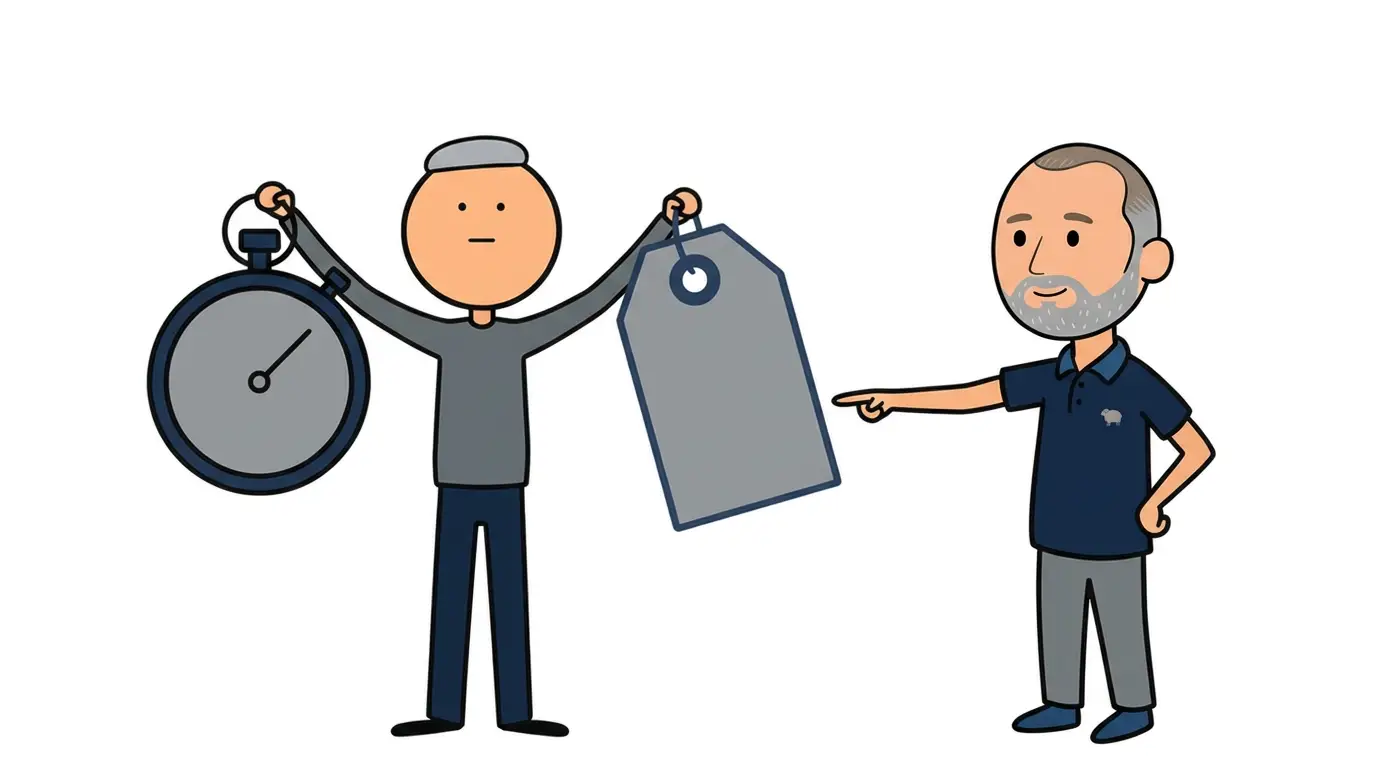
Charging by the hour feels safe. But it means the quicker and better you get, the less you earn for the same job. Fixed price quotes can turn that around.
Why customers like fixed prices
People want to know what a job will cost before you start. A clear fixed price feels fairer than an open ended hourly rate, even when it works out about the same, and it can help you win the work.
Why it can earn you more
When you price the job rather than the hours, the benefit of working efficiently stays with you. Better tools, a good apprentice or simply experience all show up as extra profit instead of a smaller bill.
The risk to watch
With a fixed price, if the job overruns, you carry the cost. That is why it matters to know your real costs, to write down exactly what is included, and to price extras as extras.
A simple worked example
Take a made up example: a joiner fitting a kitchen.
- Time. Looking back at similar jobs, it takes about four days, including travel and the quote.
- True cost per day. Add up the van, insurance, tools, phone and your own wage for the year, and divide by the days you actually work. Say that comes to £260 a day, so £1,040 for the job. If you have staff, cost their days the same way: their pay, employer’s National Insurance and holiday, divided by the days they actually work, and allow a little longer for an apprentice.
- Materials. £1,200, plus £60 for waste.
- Profit and the unexpected. Add 20% on top of your costs.
That gives a price of about £2,760, plus VAT if you are registered, quoted as one figure with a clear list of what is included. If it takes three and a half days, you keep the difference.
Margin and markup
These two get mixed up, and it costs people money. Markup is what you add on top of your cost. Margin is how much of the selling price is profit. Add 20% to a cost of £100 and you sell at £120. That is a 20% markup, but your margin is £20 out of £120, which is under 17%. So if you need a 20% margin, you have to mark up by 25%.
Price the job, not the hours. Your speed and skill should earn you more, not less.
Working out your true cost per day is the hardest step, and it is exactly what our growth package helps with. Read more on why it pays to have someone in your corner, or get in touch.