Payroll, 3 minute read, published
Salary or dividends: paying yourself as an Isle of Man director
 Michael Quayle ACCALoaghtan Accounts
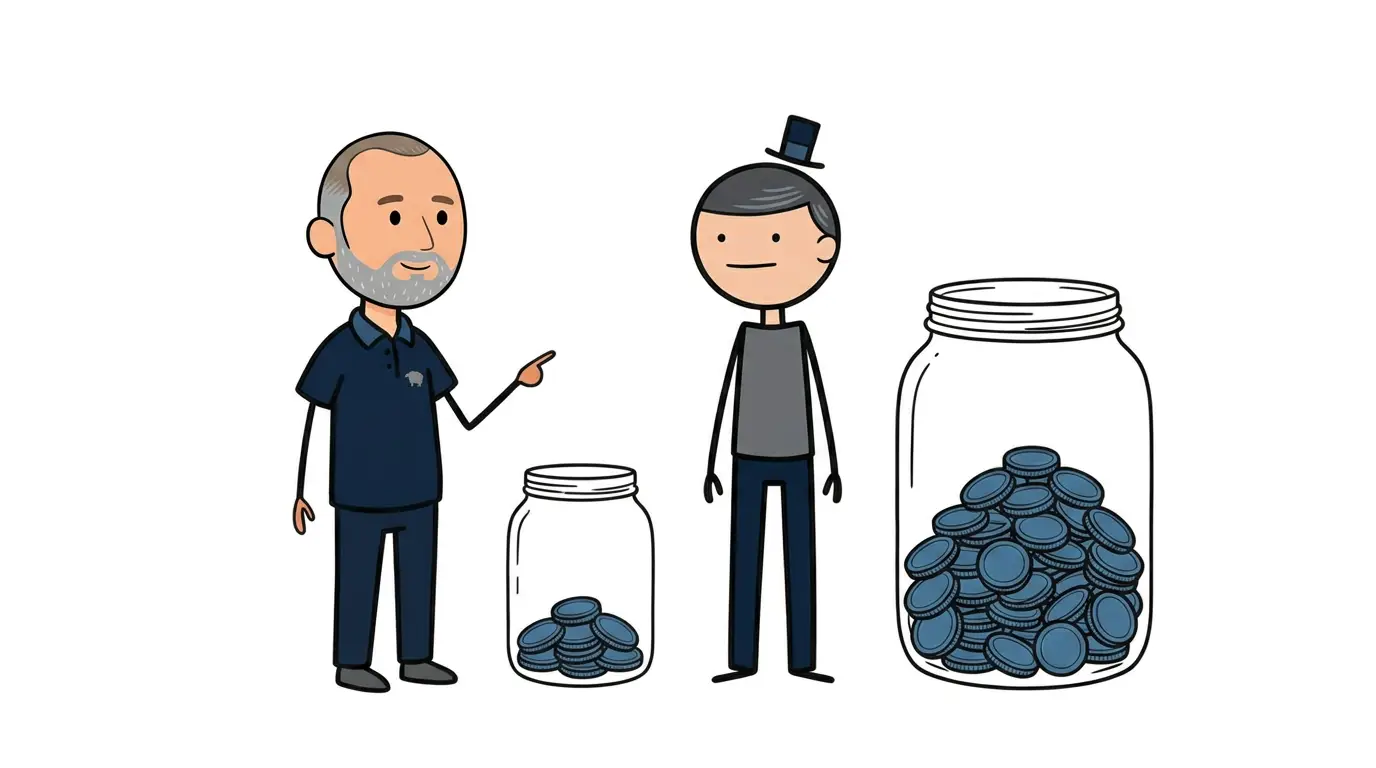
If you run your business through a limited company, the money in the company is not yours until you take it out. How you take it out makes a real difference to how much you keep.
The two main ways
Salary goes through payroll. You pay income tax and Class 1 National Insurance on it, and the company pays employer National Insurance on top.
Dividends are paid to shareholders out of the company’s profits. You pay income tax on them at the same rates as salary, but there is no National Insurance.
Because most Isle of Man trading companies pay tax on their profits at 0%, paying salary does not save the company any tax the way it can in the UK. The real difference between the two is National Insurance.
Why a mix usually works best
For many owners the most efficient approach is a modest salary at around the National Insurance Lower Earnings Limit (£129 a week, or £6,708 a year in 2026/27), with the rest taken as dividends. A salary at that level builds your record towards your state pension without any National Insurance to pay. The limits change with the Island’s Budget, so check them each year.
A worked example
Take an illustrative director who wants to take £40,000 out of the company in 2026/27.
| All salary | Small salary and dividends | |
|---|---|---|
| Salary | £40,000 | £6,708 |
| Dividends | £0 | £33,292 |
| Employee National Insurance | £3,393 | £0 |
| Employer National Insurance | £3,949 | £0 |
| National Insurance in total | £7,342 | £0 |
The income tax is the same either way, because dividends are taxed at the same rates as salary. The difference is National Insurance: employees pay 11% and employers 12.8% on salary above £9,152 a year. Taking a small salary and the rest as dividends saves around £7,300 a year in this example. The figures are illustrative, and your own answer depends on the points below.
What changes the answer
- How much profit the company makes, and whether you need to leave some in for a rainy day.
- Other income you have, such as a job, rental income or a pension.
- Whether you have a mortgage application coming up, because lenders look at salary and dividends differently.
- Your spouse or partner. Island couples can choose joint assessment and share their allowances and bands, and if your partner works in the business, paying them properly for it can help too.
Dividends must only be paid when the company can afford them, and the company must still be able to pay its debts afterwards. Taking money the company cannot support can leave you owing it back.
We can help you work out the right mix and review it as your profits change. Still deciding whether to go limited at all? Read sole trader or limited company. Otherwise, get in touch.