Tax and VAT, 2 minute read, published
How much should I put aside for tax in the Isle of Man?
 Michael Quayle ACCALoaghtan Accounts
The most stressful bill for many small business owners is the one they knew was coming but did not save for. A simple habit fixes it.
Use a separate account
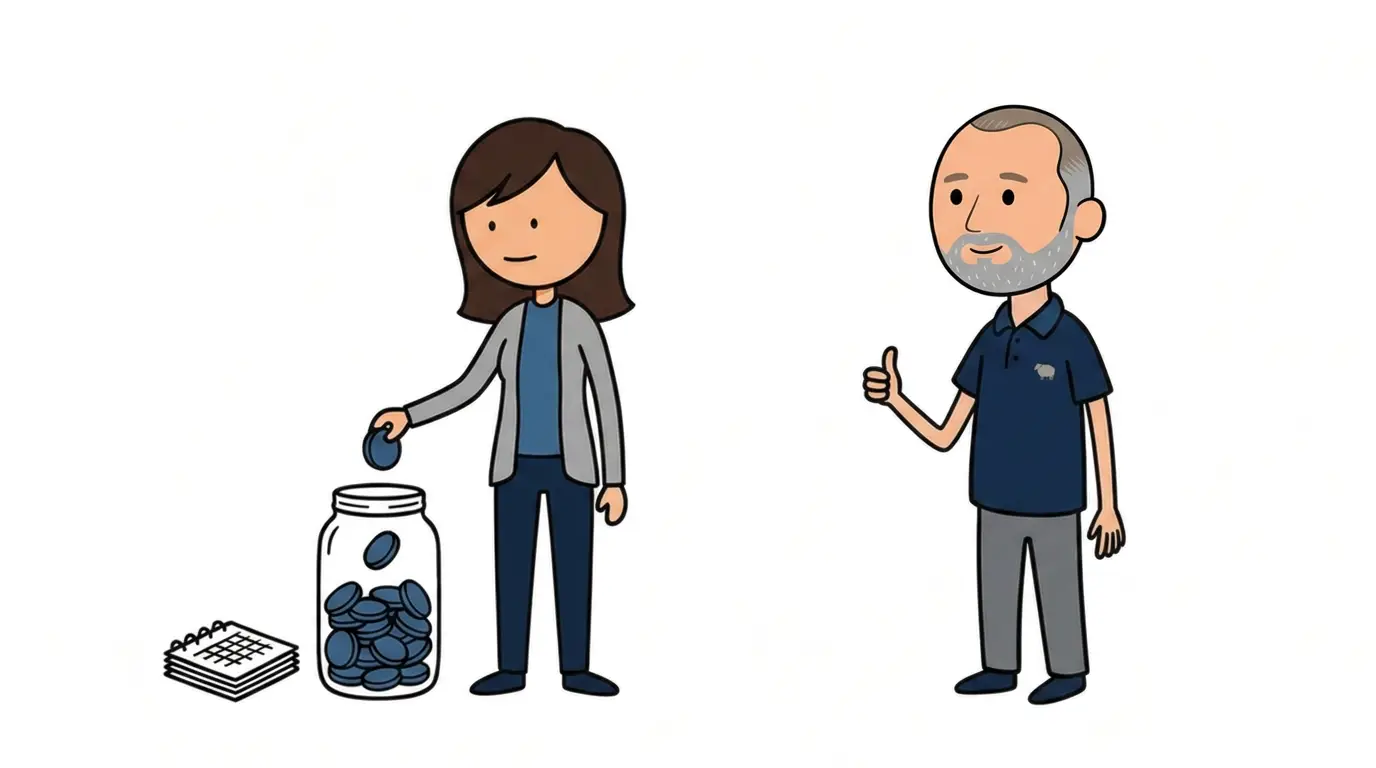
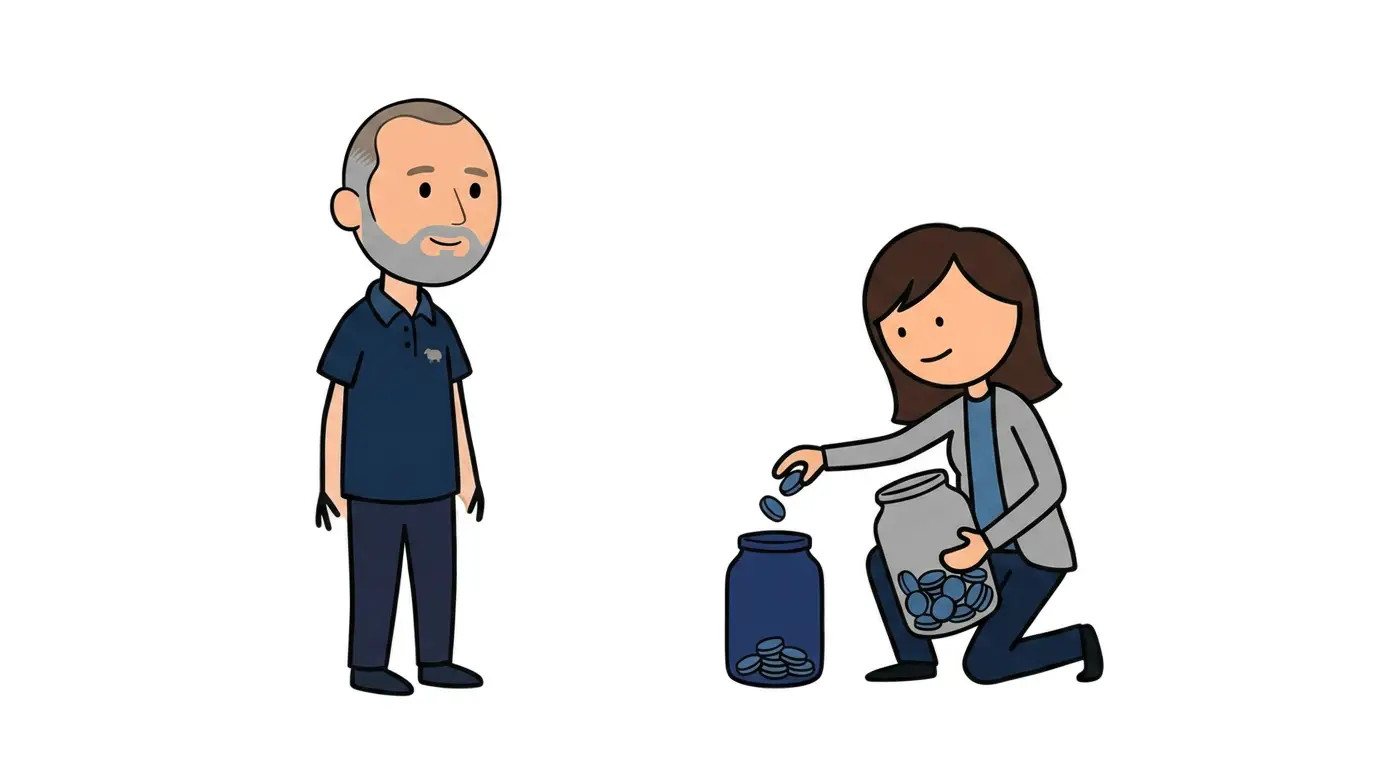
Open a separate savings account just for tax. Every time a customer pays you, move a set share of it across. Do not touch it for anything else. When the tax bill arrives, the money is already there.
How much?
It depends on your profit, your allowances and whether you are a sole trader or a company owner, so there is no single number. As a rough idea:
- Sole traders pay income tax and National Insurance on their profit. Setting aside around a fifth of all your profit covers it for many, but higher earners need more.
- Company owners pay income tax on the salary and dividends they draw, so set aside a share of what you take out, not what the company makes.
- VAT registered businesses should also move the VAT element of every sale across. It was never your money.
Remember that profit is not the same as the money coming in. If you do not know your profit yet, a simple way to start is to move around 15% of every payment that lands in your account, then adjust it once you know your figures.
Check it during the year
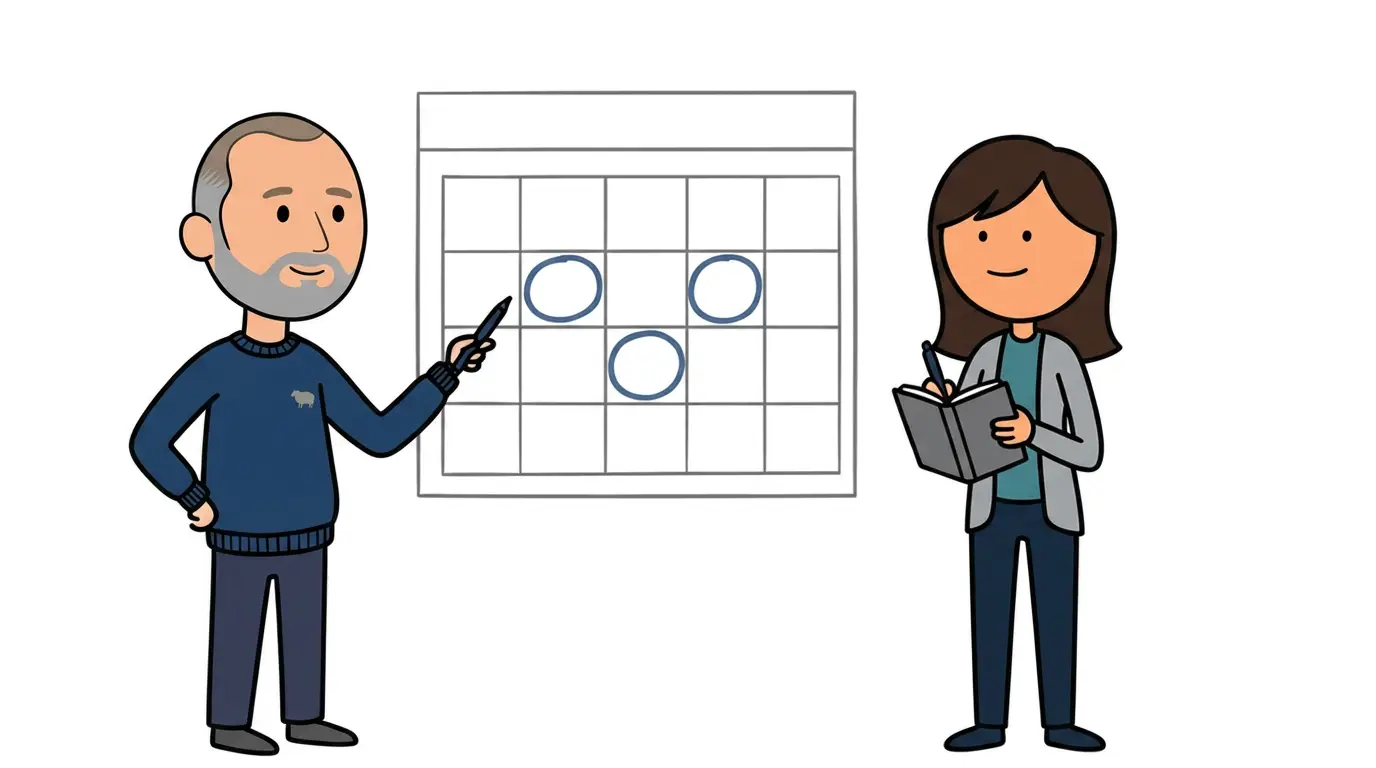
Your profit can change a lot from one year to the next. Checking the figure every quarter, rather than once a year, means there are no surprises either way.
If the tax money is in a separate account, the tax bill is just a transfer, not a crisis.
We can help you work out the right percentage and adjust it as the year goes on. Get in touch if you would like a hand.